How to Swim Properly: A Technique Guide for Adults

How to Swim Properly: A Technique Guide for Adults
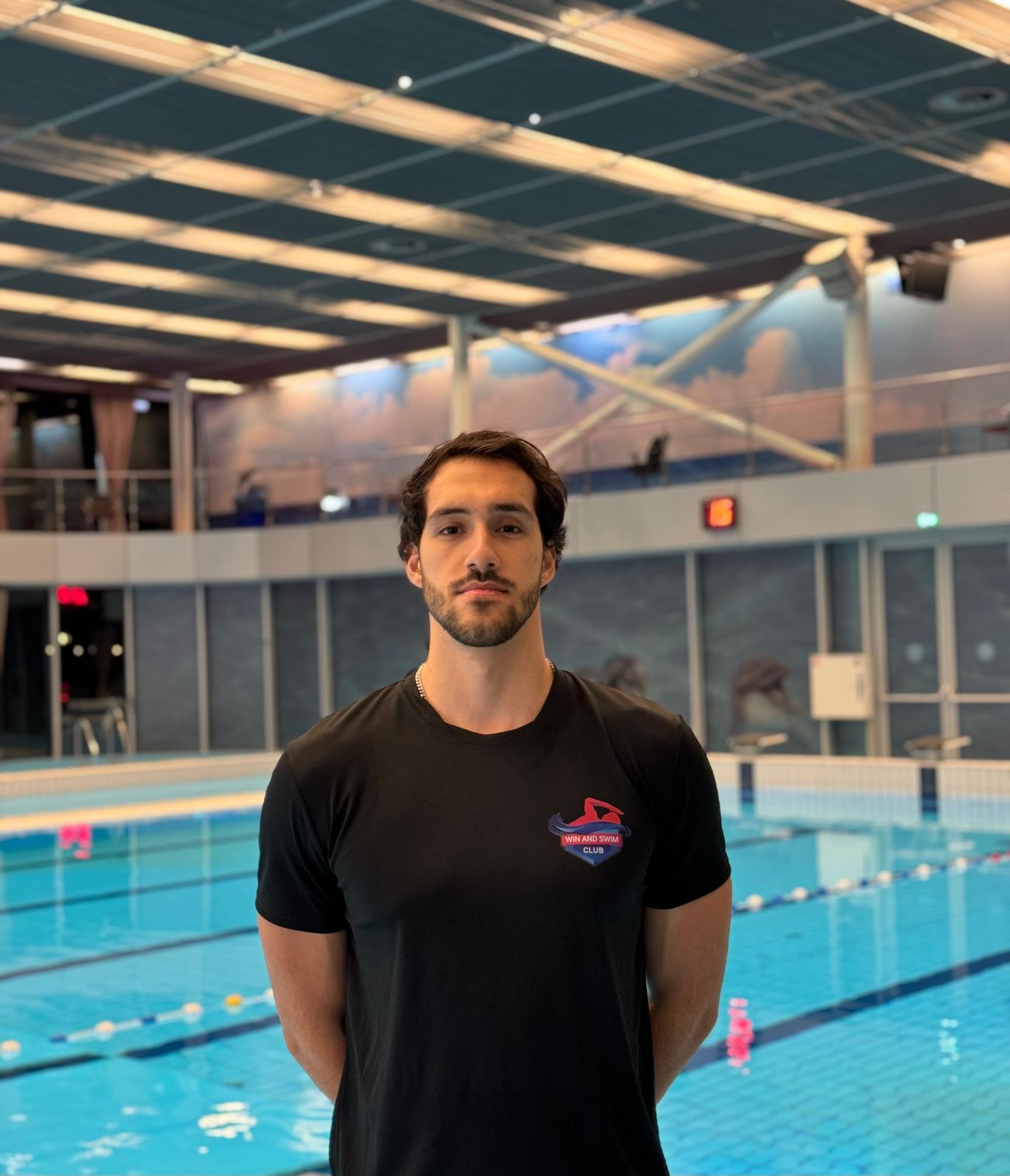 Vlad Paturca

On this page
“I can get to the other end, so I can swim.” I hear that a lot from adults at our pool in Amsterdam-Noord. Then they push off, fight the water for 25 metres, and grab the wall gasping. Getting across and swimming properly are two different things.
Here’s the short answer to how to swim properly: stay long and flat near the surface, keep your head in line with your spine, rotate from your hips, and breathe by turning your head instead of lifting it. According to U.S. Masters Swimming, the single most important skill in freestyle is maintaining a good body position, because once your body is horizontal and balanced, everything else costs less effort. Proper swimming technique for adults is mostly about removing drag and panic, then adding rhythm. Speed comes later, and it comes on its own.
The rest of this guide breaks that down into the parts you can actually practise. None of it requires you to be fit or fearless. It requires you to stop doing a few things and start doing a few others.
What “Swimming Properly” Actually Means
Most swimmers waste energy in the same three places: their head sits too high, their legs sink, and they hold their breath until they’re desperate. Fix those and you’ve already changed everything.
Proper swimming technique for adults rests on four fundamentals, and they stack in order:
- Body position. Long, flat, and near the surface.
- Breathing. Constant exhale underwater, quick turn to inhale.
- Propulsion. A relaxed kick and a stroke that catches water instead of slapping it.
- Rhythm. Rotation and timing that tie the first three together.
Notice what isn’t on the list: strength. Water is roughly 800 times denser than air, so muscling through it is the slowest way to move. The swimmers who look effortless aren’t stronger. They’re cleaner. That’s good news for any adult who thinks they’ve left it too late.
One note before we go deeper: this guide assumes you can already get across the pool. If you can’t yet, start with our beginner’s guide to swimming and come back. Learning to swim correctly is far easier once the water no longer feels like an emergency.
How to Swim Properly Starts With Body Position
If you only change one thing this month, change where your head points. Most adults look forward, like they’re walking. That tips the head up, which drops the hips and legs, which turns your body into a brake. The water doesn’t care how hard you kick after that.
Aim your eyes at the bottom of the pool, slightly ahead. Your head should sit in line with your spine, the same neutral position you’d have lying face down on a bed. Press your chest very gently into the water and let your hips float up behind you. The goal is one long line from your fingertips to your toes.
Sinking legs are the most common complaint we hear, and the cause is almost never a weak kick. It’s that high head and a held breath. We wrote a full fix for this in our guide on how to stop your legs sinking, so I won’t repeat all of it here. The headline: balance first, kick second.

Freestyle Swimming Technique, Broken Into Its Parts
Freestyle (front crawl) is where most adults should spend their time, because it’s the most efficient stroke and the easiest to keep improving. Good freestyle swimming technique has three moving parts, and you can practise each on its own.
The catch and pull. Reach forward and enter the water with your fingertips first, hand relaxed. Don’t slap your palm down flat. Once your arm is extended, bend the elbow slightly and press the water back toward your feet, like you’re reaching over a barrel. The power comes from pushing water behind you, not from spinning your arms fast.
Rotation. You don’t swim flat like a plank. You roll. Each stroke, your body rotates toward the arm that’s pulling, so your shoulder and hip turn together. This longer body line cuts drag and lets your big back muscles do the work instead of your shoulders. Think of your spine as a skewer and your body as a rotisserie.
The kick. Keep it small and steady, driven from the hip with loose ankles. Big bent-knee bicycle kicks create drag and burn your legs out in one length. Two to six beats per stroke cycle is plenty for distance swimming. The kick is mostly there to keep your legs up and your body balanced.
If you want the deeper picture on the mistakes that quietly wreck a stroke, our breakdown of the most common swimming mistakes covers the ones we correct every week.
How to Swim Properly Without Fighting Your Breathing
Breathing is where adults panic, and panic ruins technique faster than anything. The fix is one rule: never hold your breath. The moment your face is in the water, breathe out slowly and steadily through nose and mouth. Empty lungs by the time you turn to breathe, so all you have to do is take air in.
To take the breath, rotate your head with your body and let one goggle stay in the water. You’re not lifting your face up and forward. You’re turning it to the side, riding the same rotation your stroke already gives you. Lift the head and your hips drop again, and you’re back to braking.
Bilateral breathing (every three strokes, alternating sides) keeps your stroke even and stops you from over-rotating to one side. If that feels like too much air debt at first, breathe every two strokes to one side while you build comfort, then come back to it. We go through the whole pattern in our guide to freestyle breathing made simple.

How to Improve Your Swimming Technique With Drills
Swimming lengths on repeat just grooves whatever habits you already have, good or bad. To actually improve your swimming technique, you isolate one piece, drill it slowly, then fold it back into full stroke. A few we use constantly:
- Kick on your side. Push off on one side, bottom arm extended, top arm resting, and kick gently while you hold the line. This trains rotation and balance at the same time.
- Catch-up drill. One arm waits out front until the other hand “catches up” to it. It slows the stroke down so you can feel the catch and stop windmilling.
- Single-arm freestyle. Swim with one arm while the other rests at your side. It exposes exactly where your stroke leaks power.
Two honest things about this. First, you can’t see yourself swim, so you’ll repeat errors you don’t know you have. Second, written drills only get you so far without feedback. That’s the whole reason structured coaching works: in our intermediate and advanced swimming lessons in Amsterdam-Noord, the fastest gains almost always come from one small correction the swimmer couldn’t feel on their own, like a dropped elbow or a head that creeps up before each breath. Win and Swim runs small groups for exactly this reason: technique needs eyes on it.
What About Backstroke, Breaststroke and Butterfly?
The same fundamentals carry over, even though the shapes look different. Backstroke is freestyle’s mirror: stay long, rotate from the hips, kick small, and keep your head still while your body rolls. Breaststroke rewards patience over power, with a long glide after each pull and a narrow kick (this is the one stroke where a forceful kick genuinely drives you). Butterfly is the hardest to learn as an adult and the least necessary, so leave it until your freestyle feels easy.
For most adults learning how to swim properly, two clean strokes (freestyle and backstroke) cover almost everything you’ll want to do, from fitness laps to a relaxed swim on holiday.
A Simple Four-Week Plan to Clean Up Your Stroke
You don’t fix a stroke in one session. Here’s a realistic month, two or three swims a week, that I’d give an adult starting from “I can sort of swim.”
- Week 1: Balance. Spend most of each swim on body position and side-kick drills. Short repeats, lots of rest. Get comfortable being long and flat.
- Week 2: Breathing. Add steady underwater exhales and side breathing. Practise turning the head, not lifting it. Keep distances short so you don’t rush the breath.
- Week 3: Stroke. Bring in catch-up and single-arm drills. Focus on a clean catch and rotation. Swim a little further now that balance and breathing hold up.
- Week 4: Put it together. Swim relaxed full freestyle, thinking about one cue at a time. Longer easy repeats. You should feel the difference in how far you go before you’re tired.
Progress in swimming isn’t linear, and some days the water just feels worse. That’s normal. The line trends up over weeks, not sessions.

Frequently Asked Questions
How long does it take an adult to learn to swim properly? Most adults swimming two or three times a week see clean, relaxed freestyle over 25 to 50 metres within two to three months. Building real technique takes longer than just staying afloat, because you’re replacing habits, not starting from blank.
What is the most important thing in swimming technique? Body position. A long, flat, horizontal line near the surface removes the drag that makes swimming feel exhausting. Get that right and breathing, kicking and stroke all become easier, which is why coaches fix it first.
Why do I get so tired after one length? Almost always it’s a high head, sinking legs, and a held breath, not poor fitness. When your body angles down through the water you’re dragging a brake, and holding your breath adds panic on top. Fix the body line and the constant exhale, and the same length costs far less effort.
Should I learn freestyle or breaststroke first? Freestyle is the most efficient stroke and the best foundation, so most adults should start there. Breaststroke feels easier at first because your head stays up, but that same head position teaches a habit you’ll have to undo later.
Can I teach myself proper swimming technique? You can improve a lot on your own with drills and underwater video, but the ceiling is low without feedback, because you can’t see or feel your own errors. A few sessions with a coach usually fixes things you didn’t know were there.
Written by
Vlad Paturca
KNZB-certified swim coach, former Romanian national and international freestyle medalist, and founder of Win and Swim Amsterdam. Passionate about adult learners and evidence-based technique. With a bachelor degree in swimming and a first aid course, swimming is my element.
More about Win and Swim →