
The Health Benefits of Swimming: What the Science Really Says

The Health Benefits of Swimming: What the Science Really Says
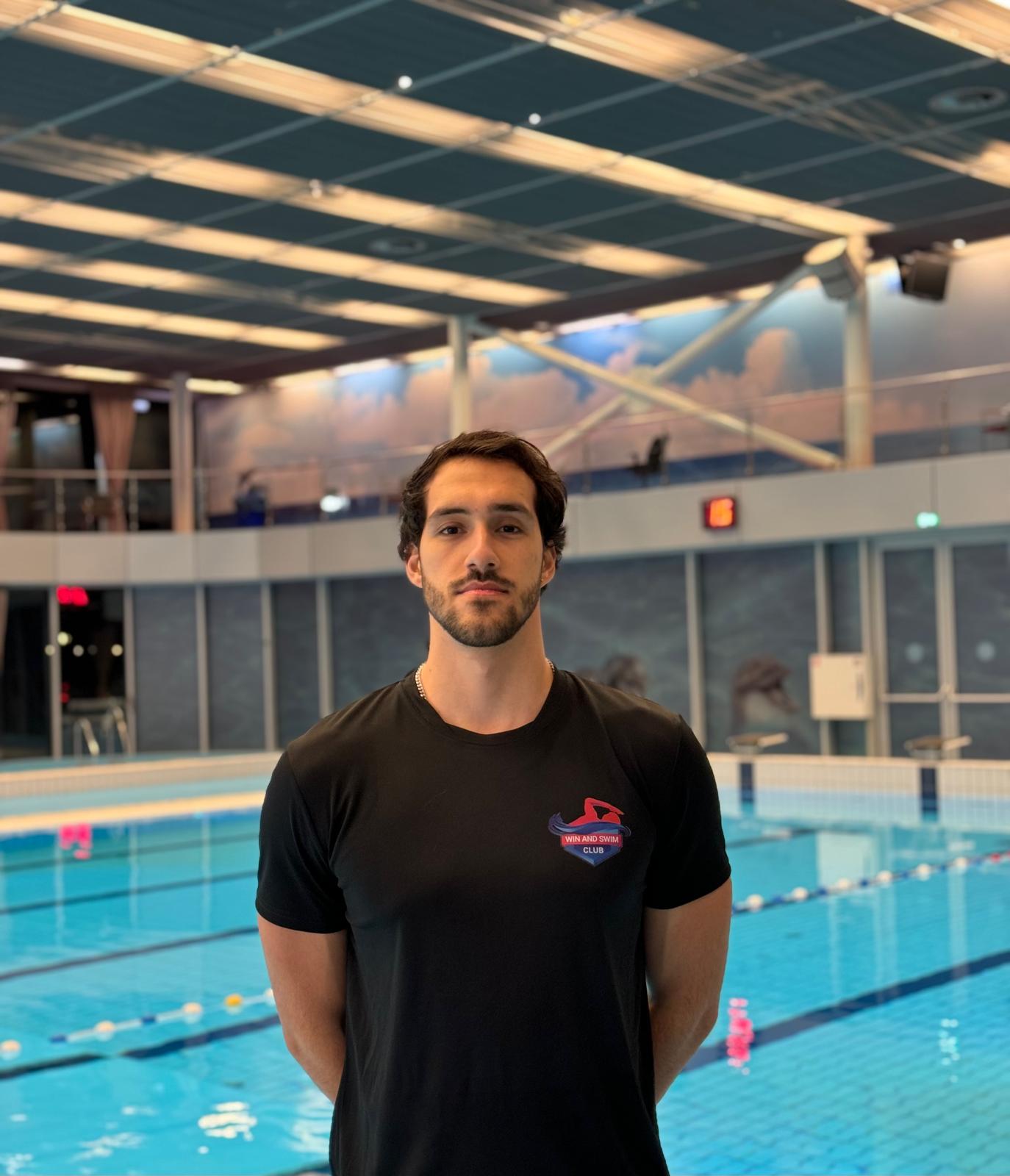 Vlad Paturca

On this page
Plenty of articles promise that swimming will transform your body, your brain, and probably your love life. We coach swimmers for a living and even we don’t buy half of it. So let’s do this properly: only the health benefits of swimming that solid sources actually support.
The headline finding comes from Swim England‘s Health and Wellbeing Benefits of Swimming report, a review of the scientific literature: swimmers have a 28 percent lower risk of early death and a 41 percent lower risk of death from heart disease or stroke compared with non-swimmers. On top of that, the CDC notes that people can exercise longer in water than on land without increased joint or muscle pain. Those two facts alone explain why doctors keep sending patients to the pool.
Here’s what the evidence supports, what it doesn’t, and how much swimming you actually need.
The Health Benefits of Swimming at a Glance
| Benefit | What the Evidence Says | Source |
|---|---|---|
| Longer life | 28% lower risk of early death in swimmers | Swim England report |
| Heart health | 41% lower risk of death from heart disease or stroke | Swim England report |
| Joint-friendly exercise | Longer workouts possible without joint or muscle pain; improves arthritic joints without worsening symptoms | CDC |
| Mental health | Improved mood; people enjoy water exercise more than land exercise, so they stick with it | CDC, Swim England report |
| Healthy ageing | Helps older people stay physically and mentally fit; positive impact on osteoarthritis and dementia patients | Swim England report |
| Calorie burn | 255 kcal per 30 minutes of slow freestyle for a 70 kg person | CDC |
Is Swimming a Good Workout?
Yes, and the physics explain why. Water is roughly 800 times denser than air, so every movement works against resistance, like strength training you can’t skip. At the same time, buoyancy carries most of your body weight, which removes the impact that makes running hard on knees and hips.
That combination is rare. Most cardio is either high-impact (running) or low-resistance (cycling an easy gear). Swimming loads your muscles and your cardiovascular system at once while your joints barely notice. The CDC puts slow freestyle at around 255 kcal per 30 minutes for a 70 kg adult; pick up the pace or switch strokes and that number climbs.
One honest caveat from the coaching side: you only get the workout if your technique lets you keep moving. A swimmer who fights the water is exhausted after two lengths and burns more frustration than calories. That’s a technique problem with a known fix, and it’s the difference between swimming as survival and swimming as training.

Easy on Joints, Muscles, and Bones
This is where swimming beats nearly everything else. The CDC reports that people with arthritis can improve the use of their affected joints and decrease pain through water-based exercise, without making symptoms worse. For rheumatoid arthritis, hydrotherapy in warm water showed more health improvement than other activities.
The mechanism is simple: hydrostatic pressure supports the body evenly while warm water relaxes muscle tension, so joints move through ranges they’d resist on land. That’s why physiotherapists put post-surgery patients in pools long before they put them on treadmills.
If a specific problem brought you here, we’ve written a separate honest look at whether swimming helps lower back pain, including when it doesn’t.
Swimming for Mental Health
The mental side is real, though we’ll spare you the invented percentages other articles quote. Two findings hold up well. First, the CDC reports that water-based exercise improves mood in both men and women. Second, and more interesting for anyone who has quit a gym membership: people report enjoying water exercise more than exercising on land, which means they keep doing it. The best workout for your head is the one that still happens in month three.
There’s also something coaches see that studies struggle to measure. Water forces your attention into your breath and your body, the same mechanics that make breathing exercises work. Students regularly tell us their lesson is the one hour a week their inbox doesn’t exist.
Cold water swimming comes with even bigger mental health claims. We checked them against the 2026 research in our guide to the benefits of cold water swimming, and the short-term mood lift holds up far better than the long-term promises.
For adults whose relationship with water is fear rather than fun, the mental payoff of fixing that is enormous; our guide to conquering your fear of water covers where to start.

Swimming for Older Adults
Swimming for older adults deserves its own section, because the evidence is strongest exactly where the stakes are highest. The Swim England report found that regular swimming helps older people stay mentally and physically fit, with documented positive effects for people living with dementia and osteoarthritis.
In the Netherlands this has an extra layer. Statistics Netherlands (CBS) reported that 41 percent of the 100 accidental drowning deaths in 2025 were people aged 60 or over, and falls into water are a leading cause. Swimming ability in later life is fitness and safety in one package.
We teach adults in their 50s, 60s and beyond every week at Win and Swim in Amsterdam-Noord, and age has never once been the limiting factor. Joint stiffness shapes which strokes we start with; it doesn’t decide whether someone learns.
How to Get the Health Benefits of Swimming
The health benefits of swimming come from regularity, and the required dose is smaller than most people think. The Dutch national exercise guidelines (beweegrichtlijnen, Health Council of the Netherlands) recommend at least 150 minutes of moderate-intensity activity per week, plus muscle and bone strengthening twice a week. Swimming counts toward both at the same time.
| Goal | Weekly Swimming | What It Looks Like |
|---|---|---|
| Meet the Dutch activity guidelines | 2 to 3 sessions of 45 to 60 min | Relaxed continuous swimming, mixed strokes |
| Fitness and weight management | 3 sessions with intervals | Sets like 8 x 50 m with short rests |
| Joint rehab or arthritis | 2 gentle sessions in warm water | Breaststroke, backstroke, aqua walking |
| Mental reset | Any rhythm you’ll keep | The session you enjoy is the one that works |
If you can’t swim yet, or you gas out after one length, the fastest route to all of the above is learning proper technique. Structured beginner swimming lessons at Win and Swim take adults from zero to continuous swimming in months, in a heated pool in Amsterdam-Noord, which matters more than you’d think for sticking with it through a Dutch winter.
I’ll add one observation from years on the pool deck: the students who get the health benefits are never the ones chasing them hardest. They’re the ones who found a time slot that fits their life and defended it. Consistency beats intensity in the water, every time.

FAQ
How many calories does swimming burn?
According to the CDC, a 70 kg (154 lb) person burns about 255 calories during 30 minutes of slow freestyle swimming. Faster paces, heavier body weights, and demanding strokes like butterfly increase that number.
Is swimming better than running for your joints?
Swimming is far gentler on joints than running because buoyancy supports most of your body weight, removing impact on knees, hips, and ankles. The CDC notes people can exercise longer in water than on land without increased joint or muscle pain.
How often should you swim to see health benefits?
Two to three swims per week totalling around 150 minutes meets the Dutch national exercise guidelines for moderate-intensity activity. Benefits like improved mood appear immediately, while fitness and strength changes typically show within six to eight weeks of regular swimming.
How many lengths of a 25-metre pool is 1 kilometre?
One kilometre is 40 lengths of a 25-metre pool, or 20 laps if you count a lap as there and back. A comfortable recreational pace covers it in roughly 25 to 35 minutes.
Can swimming help with asthma?
The warm, humid air above indoor pools is often easier on airways than cold, dry outdoor air, and many people with asthma swim comfortably. Chlorine byproducts can irritate airways for some swimmers, so anyone with asthma should consult their doctor and pay attention to how a specific pool affects them.
The pool doesn’t care how old you are, how fit you are, or how long you’ve put it off; it pays out the same benefits to anyone who shows up.
Written by
Vlad Paturca
KNZB-certified swim coach, former Romanian national and international freestyle medalist, and founder of Win and Swim Amsterdam. Passionate about adult learners and evidence-based technique. With a bachelor degree in swimming and a first aid course, swimming is my element.
More about Win and Swim →
