Beginner Swim Gear List: 6 Essentials That Accelerate Learning
Vlad Paturca6 min read
“You don’t need any gear to learn to swim. Just get in the water.” That myth is why so many beginners stay stuck.
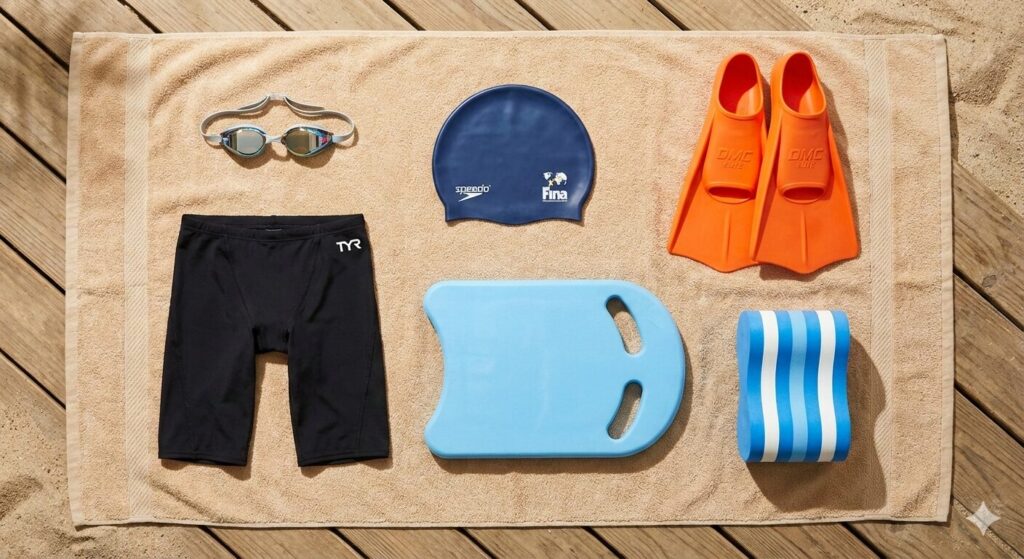
Problem: People either show up underprepared (no goggles, baggy shorts, hair in their face) or they overcompensate and buy a small scuba shop. Agitate: Underprepared means discomfort. Discomfort turns into tension. Tension wrecks breathing and body position, so progress crawls. Overprepared isn’t better. The wrong toys become expensive crutches, and you spend more time adjusting gear than learning skills. Solution: You only need six pieces of beginner swim gear that remove friction and speed up learning. Here’s my no-nonsense list.
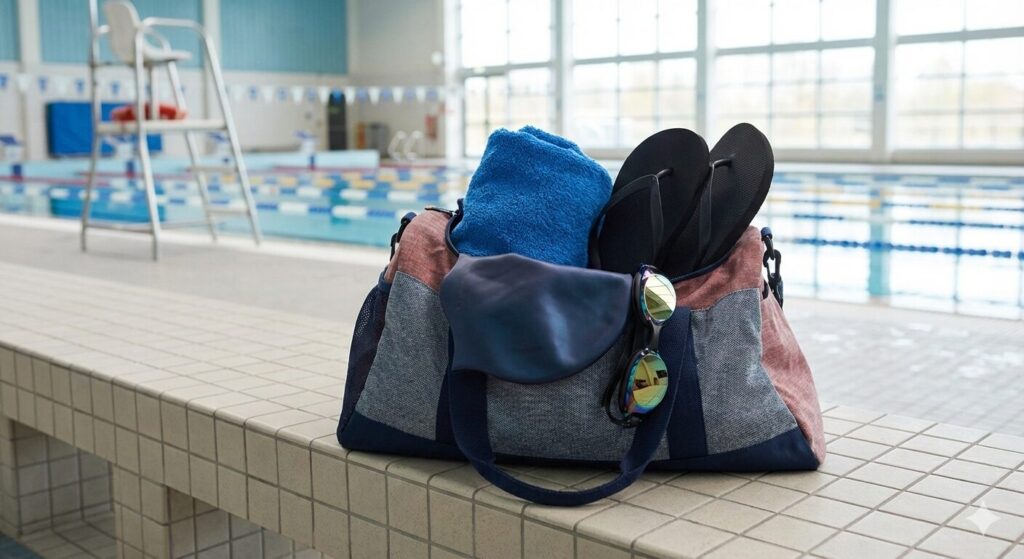
Nice-to-have: anti-fog spray + flip-flops (pool decks are gross).
Beginner swimming gear that actually matters
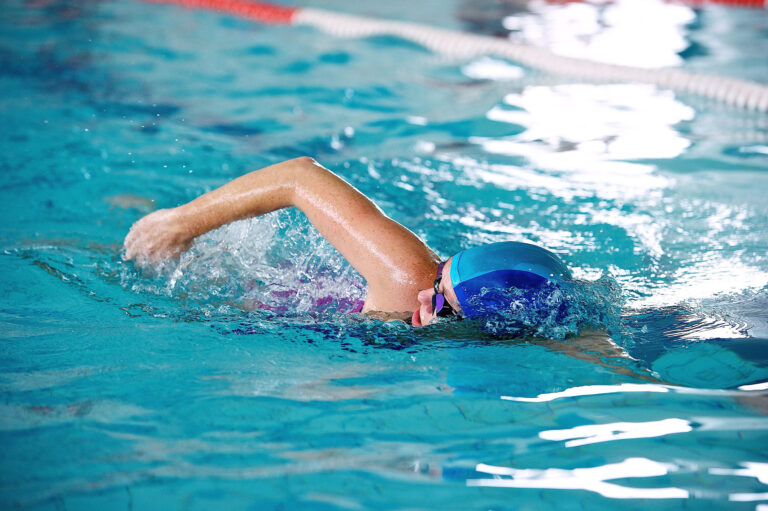
Your goal isn’t “more equipment.” It’s more calm, repeatable practice. The right kit helps because it keeps your body relaxed and your head clear, especially in those first sessions when everything feels new.
Now, let’s start with the one item that changes everything.
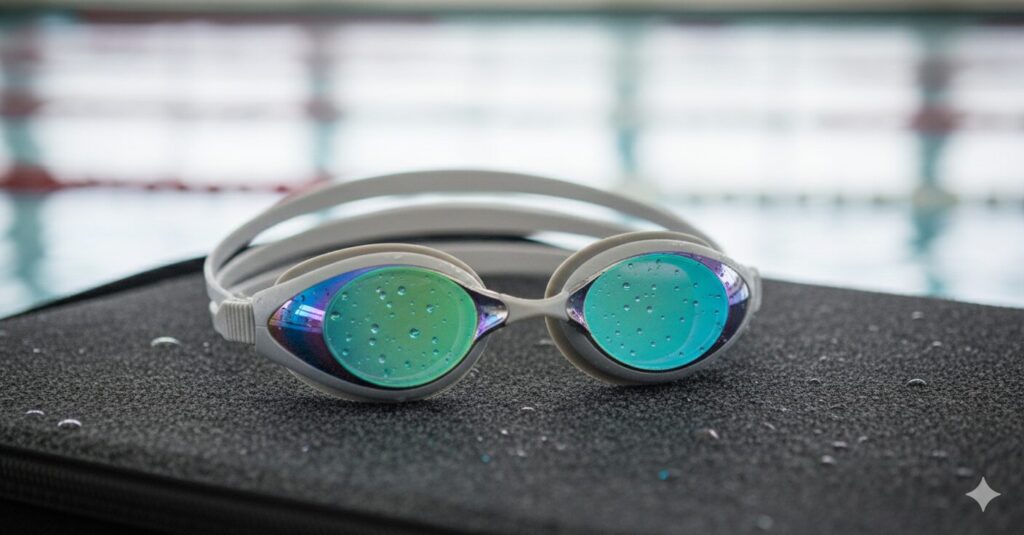
1. Swim goggles for beginners (leak-proof beats “cool-looking”)
Leaky goggles are a confidence killer. Beginners lift their head to see, hips drop, and suddenly front crawl feels impossible.
Look for:
A soft seal that’s comfortable, not painful
Clear lenses for indoor pools
A strap that stays put on push-offs
Quick fit test: put them on without the strap. If they lightly “stick” for a second, you’re close.
2. Swim cap (less distraction, more focus)
Caps aren’t just for “serious” swimmers. They’re for anyone who wants fewer annoyances mid-length.
A cap:
Keeps hair out of your eyes and mouth
Stops goggle straps slipping
Makes you feel smoother through the water
Silicone is the easy choice: comfy, durable, no drama.
3. Proper swimsuit or jammers (ditch the drag)
Baggy trunks are a parachute. You can learn in them, but you’ll work harder for less feedback.
Choose swimwear that:
Stays put when you push off and kick
Doesn’t balloon with water
Lets you move your shoulders freely
This isn’t about looking fast. It’s about feeling what your body is doing.
4. Short-blade training fins (instant feedback for body position)
Short fins are my favorite “learning accelerator.” They give you just enough speed to experience good body position without gassing out.
Use fins for:
Balance drills (hips up, less sinking)
Small, quick kicking practice
Confidence: moving forward feels good
Skip long snorkeling fins, they’re clunky for pool drills.
5. Kickboard (boring, effective, still underrated)
Kickboards isolate the kick so you can practice without the full coordination puzzle.
A kickboard helps you:
Build a steady flutter kick
Practice breathing rhythm without panic
Stay in the learning zone longer before fatigue hits
One key: don’t death-grip it. Light hands, long neck, shoulders relaxed.
6. Pull buoy (training wheels for balance, use it smart)
A pull buoy lifts your legs so you can focus on posture and arms.
Great for:
Feeling a flatter body line
Learning rotation without the kick falling apart
Short endurance sets with clean form
But don’t marry it. If it’s in every session, you’ll never learn to balance without it.
Amsterdam note: pool first, open water later
If you’re learning in Amsterdam, start in a pool. Predictable water = better reps.
They also state they provide training aids like kickboards and pull buoys, so you can keep your personal kit minimal (bring your suit + towel + goggles and you’re basically set).
When summer hits and you get tempted by lakes or canals, stick to official outdoor swim spots and check water quality first with Zwemwater / the Zwemwater app (it’s the official national system for designated bathing waters). In the Netherlands, designated bathing waters are monitored during the season 1 May to 1 October, and conditions can still change fast.
If you’re just getting started, our beginner’s guide to swimming covers the technique fundamentals that go with this gear.
What to skip (so you don’t waste money)
A few things look “pro” but usually slow beginners down:
Hand paddles: they amplify bad mechanics and can annoy shoulders fast
Fancy tech suits: tight, pricey, and pointless for learning basics
A pile of gadgets: watches and sensors don’t fix breathing, balance, or timing
Buy comfort first. Then buy feedback (a coach, a video, a lane buddy who tells the truth).
What to bring to swimming lessons in Amsterdam pool bag checklist
FAQs
Do I need a swim cap as a beginner? Not always, but it’s a cheap way to remove distractions. Hair in your eyes, straps slipping, constant fixing, those little annoyances mess with breathing and confidence. If you’re serious about learning faster, wear one.
Why do my goggles fog up so fast? Usually it’s a mix of a poor seal and you rubbing the inside lens (which ruins the anti-fog coating). Rinse with pool water, don’t wipe the inside, and use anti-fog spray if it’s still a problem.
Kickboard or pull buoy: which helps beginners more? Kickboard helps when your kick and breathing are chaotic. Pull buoy helps when your legs sink and you can’t hold position long enough to learn. If you can only pick one early on, choose based on what’s failing first.
Do I need a nose clip? Most beginners don’t. A nose clip can be a temporary bridge if water up your nose triggers panic, but the long-term win is learning to exhale steadily through your nose in the water.
Are fins “cheating” for beginners? No. Short-blade fins are a learning tool. They give you enough speed to feel correct body position and calm breathing—two things most beginners struggle with. Just don’t use fins every single session.
Can I practice open-water swimming in Amsterdam as a beginner? I wouldn’t start there. Get comfortable in a pool first. If you do go outside later, stick to official designated swim spots and check water quality updates before you get in.
Written by
Vlad Paturca
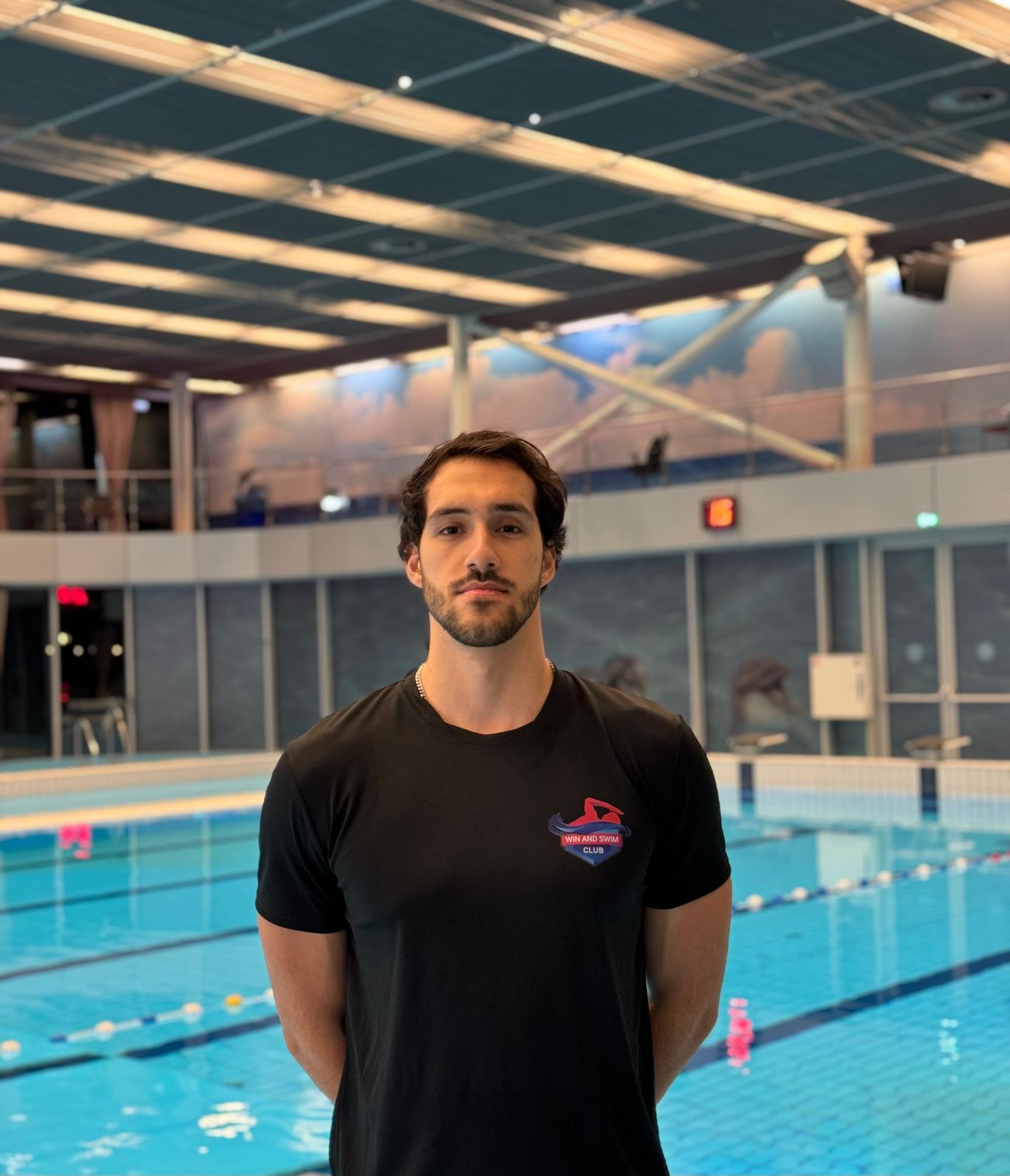
KNZB-certified swim coach, former Romanian national and international freestyle medalist, and founder of Win and Swim Amsterdam. Passionate about adult learners and evidence-based technique. With a bachelor degree in swimming and a first aid course, swimming is my element.

 Vlad Paturca